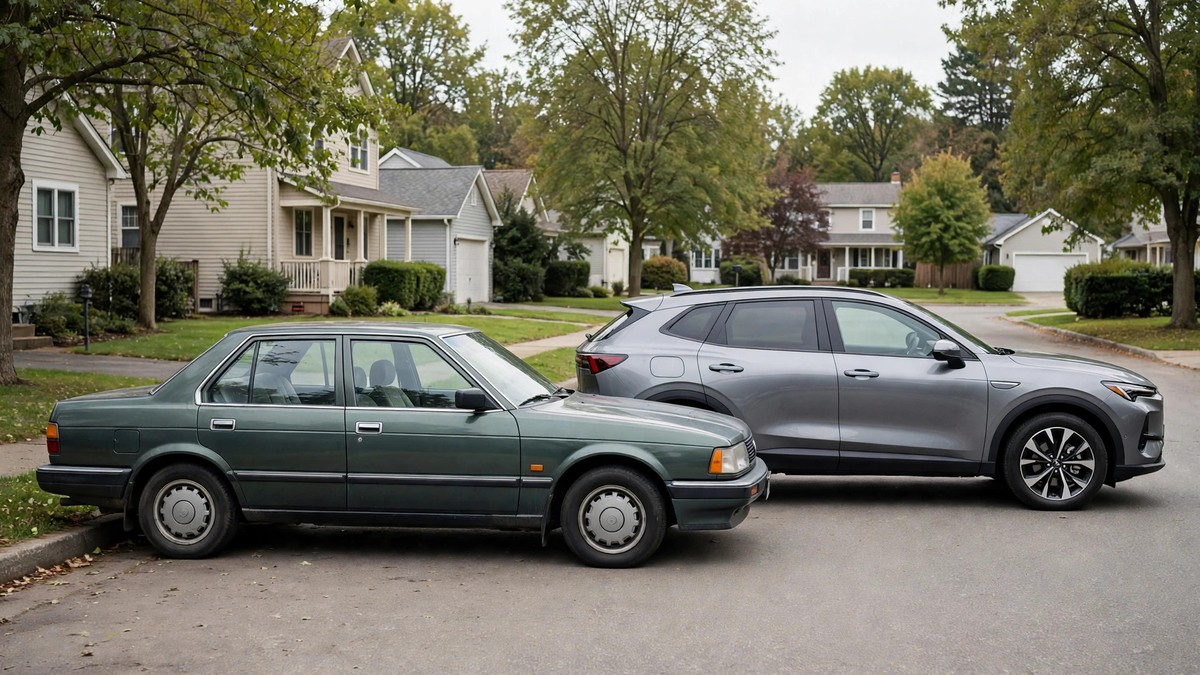
Shopping for car insurance usually comes down to two very different prices: one lean and cheap, the other called full coverage, costing quite a bit more. So what does that extra money buy — and do you need it?
The best choice depends on your car, your loan, your savings, and how much risk you can live with. Here is what each one covers, what it costs, and how to decide.
What Liability-Only Car Insurance Actually Covers
Liability-only insurance is the most basic coverage you can buy, and in most states it is the minimum needed to drive legally. It pays for damage and injuries you cause to other people — nothing more.
It has two parts. Bodily injury liability helps pay the other driver's medical bills if you hurt someone in a crash you caused. Property damage liability helps pay to repair or replace the other person's car or property you hit.
In short, liability insurance protects you from what you might owe someone else. Without it, a single at-fault crash could leave you facing bills far bigger than your premium ever was.
What Liability-Only Does Not Cover
This is the part that catches many drivers off guard. Liability-only insurance does not cover:
- Repairs to your own car after a crash you caused
- Theft, vandalism, fire, flooding, hail, or a falling tree
- A cracked windshield or a parking-lot dent
- Injuries to you or your passengers
- A hit-and-run driver who damages your car and disappears
It also stops at your policy limits — cause a serious crash with low limits and you could owe money out of pocket. For help setting the right limits, see How Much Car Insurance Do You Really Need in the US?.
What "Full Coverage" Really Means
There is no single policy called "full coverage." It is shorthand for liability insurance plus two extra types of protection for your own car: collision and comprehensive.
Collision coverage pays to repair or replace your car after a crash, no matter who was at fault — hit another car, slide into a guardrail, or back into a pole, and collision helps fix your vehicle.
Comprehensive coverage handles non-crash damage: theft, vandalism, fire, flooding, hail, falling branches, and hitting an animal.
Together, the three give you a much wider safety net. For ways to keep it affordable, see Cheapest Car Insurance in the US: How to Compare Quotes.
What Full Coverage Still Does Not Cover
The name sounds complete, but full coverage is broad, not endless. It typically does not cover routine maintenance or mechanical breakdowns, personal belongings stolen from inside your car, or injuries to you or your passengers unless you add medical payments or personal injury protection.
It also does not cover rideshare or delivery driving without the right endorsement, a rental car while yours is repaired without rental reimbursement, or the gap between your loan balance and your car's value without gap insurance. Read your policy and add the extras that match how you use your car. Many drivers who sort out car coverage also revisit life cover — see Term Life Insurance vs Whole Life Insurance: Costs Compared.
Full Coverage vs Liability Only: Side by Side
| Full Coverage | Liability Only | |
|---|---|---|
| Damage you cause to others | Covered | Covered |
| Injuries you cause to others | Covered | Covered |
| Damage to your own car in a crash | Covered (collision) | Not covered |
| Theft, fire, flood, hail, vandalism | Covered (comprehensive) | Not covered |
| Hitting an animal | Covered (comprehensive) | Not covered |
| Typical cost | Typically much higher | Typically much cheaper |
| Best for | Newer or financed cars; drivers who could not afford a replacement | Older, paid-off, low-value cars; drivers with savings to cover a loss |
Liability only protects other people; full coverage protects other people and your car too. The question is whether protecting your car is worth the extra premium — and for some cars, it is not.
How Much Does Each One Cost, and What Drives the Price?
Full coverage typically costs a lot more than liability only, often roughly double or more, though the gap varies widely.
The gap is not fixed. Your state matters, because minimum requirements, accident rates, and repair costs vary — and so does your insurer, since the same driver can get very different quotes from different companies.
Your car matters too: a newer, pricier car costs more to repair or replace. Your driving record, age, parking spot, mileage, and credit history where insurers can use it can all move the price. So compare quotes — never assume the first one you see is the best.
When Liability-Only Can Make Sense
For the right car, liability only is a sensible way to save — typically an older car you own outright, with no loan or lease. If it is worth only a couple of thousand dollars, a high premium for collision and comprehensive may not add up: over a year or two, you could spend more on that extra coverage than the car is worth.
It can also work if you have a solid emergency fund and could repair or replace the car yourself without going into debt. Just be honest first: could you really pay for a replacement out of pocket next week? If not, liability only may be riskier than it looks.
When Full Coverage Is the Safer Call
Sometimes full coverage is not just nice to have — it is required. If you have a loan or lease, your lender will almost always require it: they have money tied up in the car and want it protected until you pay it off.
Even without a loan, full coverage is usually the safer call for a newer or more valuable car. If you could not afford to replace it tomorrow, the extra premium buys real protection: one bad crash or a stolen car can cost far more than years of premiums.
If you rely on your car every day for work or family life, the peace of mind alone may justify the cost.
Deductibles: The Lever That Changes Your Price
With full coverage, you pick a deductible for collision and comprehensive — what you pay out of pocket before insurance pays on a claim for your own car, commonly $500 or $1,000.
A higher deductible usually means a lower premium, since you cover more of the cost yourself; a lower deductible means a higher premium, but less to pay after a crash.
Pick a deductible you could actually afford on a bad day: a $1,000 deductible only saves money if you have $1,000 set aside. Choose the highest deductible you could pay comfortably without borrowing, and keep that amount in savings. It does not affect liability coverage — it only applies to claims for your own car.
How to Decide for Your Own Car
Start with your car's current market value — what it is worth now, not what you paid for it. Then check what collision and comprehensive would cost for a year: if that yearly cost is close to the car's value, liability only starts to look sensible.
Next, check your loan or lease. Still owe money? Full coverage is most likely required. Own the car outright? The choice is yours.
Then be honest about your savings. If your car were totaled tomorrow, could you buy a replacement without debt you cannot afford? If yes, liability only is a real option. If no, full coverage is probably worth it.
Finally, get quotes for both — do not guess at the price gap, measure it. Sometimes the difference is smaller than you expect; other times it is huge. Revisit the decision every year or so, and especially after you pay off a loan. The home page has more guides to help you compare your options.
Frequently Asked Questions
Is full coverage required by law?
No, not as a single package. Most states require liability insurance, but collision and comprehensive are generally optional — unless you have a loan or lease.
Can I switch from full coverage to liability only?
Yes, usually by contacting your insurer. Check first whether a loan or lease requires you to keep full coverage.
Does liability-only insurance cover me if someone else hits my car?
Not directly. If another driver is at fault, their liability insurance should pay for your repairs — your own liability-only policy will not.
What happens if my car is totaled and I only have liability insurance?
You would get no payout for your car from your own policy. You would need to cover a replacement yourself, unless the at-fault driver or their insurer pays.
Is full coverage worth it on an older car?
It depends on the car's value and your finances. If the car is worth little and you could replace it easily, it may not be worth it. If you could not afford a replacement, it may still be worthwhile.
Related reading
If you found this guide useful, these guides from the same series may help too:
- Umbrella Insurance Explained: Who Needs Extra Liability Coverage?
- How to File an Insurance Claim: Step-by-Step Guide
- Why Did My Insurance Premium Go Up? 7 Common Reasons
This article is general information only and is not financial advice. Insurance rules, minimum requirements, and prices vary by state, insurer, car, and driver, so check your own state's requirements and talk to a licensed insurance agent about what fits your situation before you buy or change a policy.